A water softener addresses hardness caused by calcium and magnesium. Hardness can leave mineral deposits and affect soap performance. A measurement at your property helps establish whether softening matches the problem. [5]
Better water for the jobs you do every day.
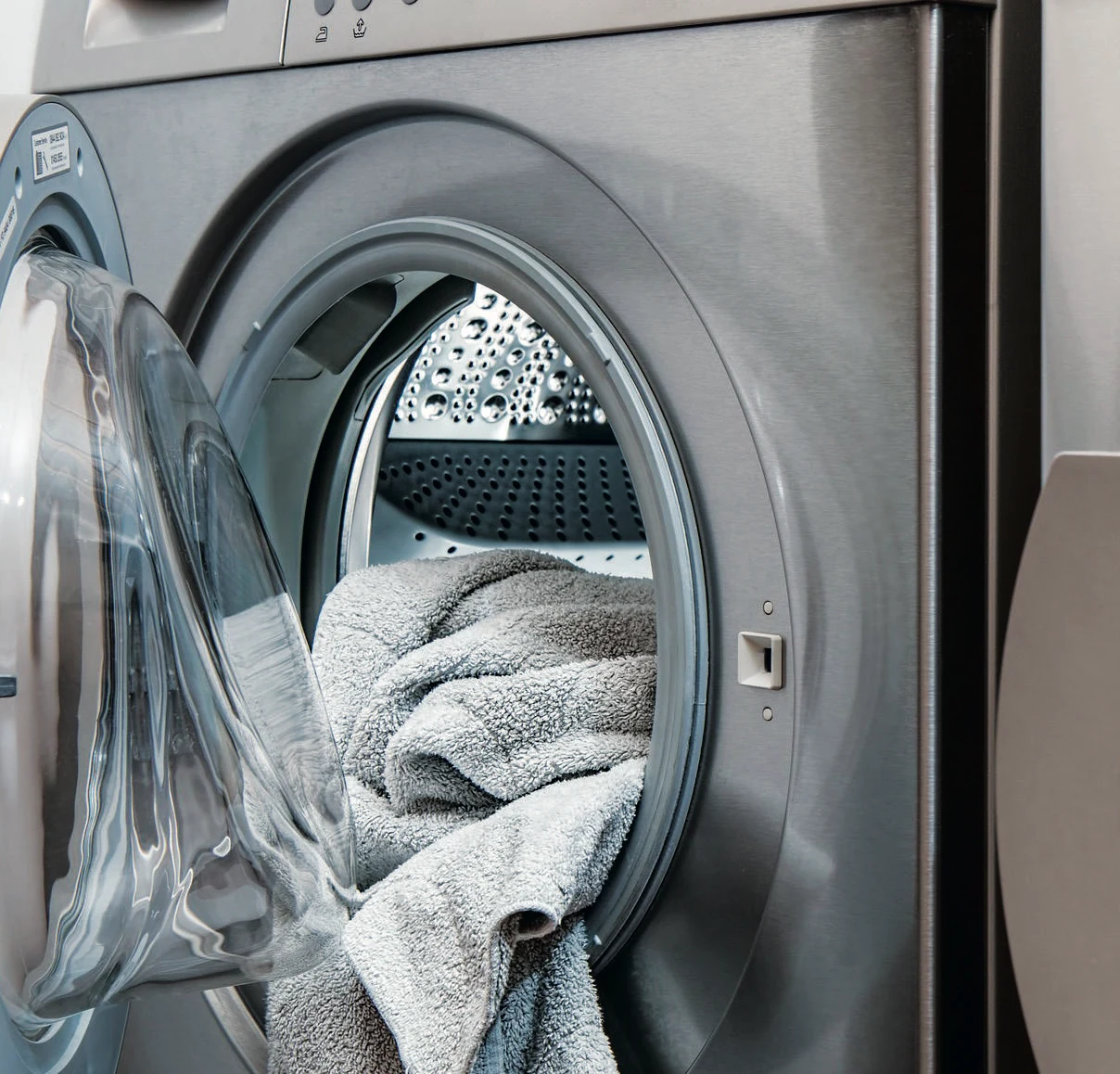
You use water to wash dishes, do laundry and shower. Describe where you notice spots, residue or buildup. Hard water can be part of that story; a leak, a failed fixture or a blocked drain needs a separate plumbing assessment. Learn how hardness connects to household plumbing.
How a water softener works.
Ion-exchange softeners use resin to reduce calcium and magnesium. The resin is regenerated using sodium or potassium chloride, so salt supply and routine care are part of ownership. [4] Ask which settings and capacity suit your measured water and household use.
What to check before installation.
- Your supply: well or municipal water, measured hardness and any existing laboratory results.
- Your household: water use and the fixtures you want to discuss.
- Your space: equipment location, access, drainage and installation requirements.
- Your running costs: salt, regeneration, servicing and the written warranty.
Softening and filtration do different jobs.
A softener is not a solution for every contaminant or taste concern. Compare water filtration if your priority is drinking and cooking water. For a private well, start with well-water testing and treatment questions.
What affects the cost of water treatment?
A useful quote starts with your water and your home. Ask for equipment and installation to be listed separately, along with any electrical or plumbing work, replacement parts, routine servicing and warranty terms. Your water results, household use, available space and existing equipment can change the proposal. Discuss the full scope before choosing a system.
Planning water treatment in Dartmouth, Halifax or elsewhere in Nova Scotia?
ECW’s team is based in Dartmouth. Tell us your town, water source and concern when you request a visit. We will confirm availability for your address, explain the in-home demonstration and help you compare treatment, installation and ongoing care.
Start with the local testing guide for your home: Halifax, Dartmouth or nearby private-well communities. Laboratory testing and an in-home treatment visit serve different needs.
See what an in-home water test visit includes →
Questions before you choose
Does every Halifax or Dartmouth home need a softener?
No. Your location does not measure your water. Start with your own hardness result, water source and household goals.
Will a softener fix staining or every water concern?
Not necessarily. Describe the issue and share testing results. Different concerns may require different treatment.
How much maintenance does a softener need?
Ask about the proposed model’s salt supply, regeneration, inspection and service schedule. Get the running costs and responsibilities in writing.
Questions about the softener you already own?
If regeneration timing, salt use or drain flow has changed, describe the equipment and the observed pattern before changing settings. Use the regeneration and operation guide. For a private septic system, also review Nova Scotia backwash and discharge questions with the appropriate qualified professional.